
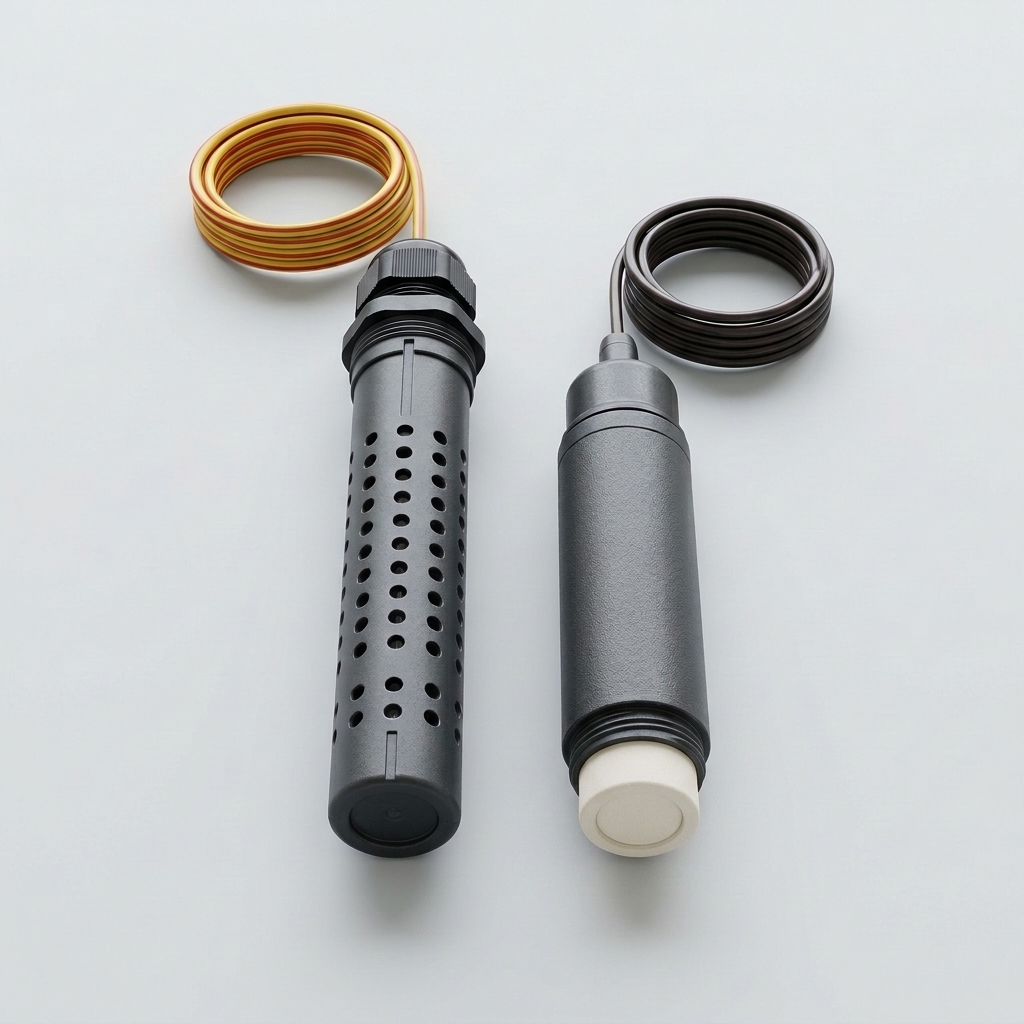
Selecting the wrong reference electrode chemistry causes potential drift and rectifier miscontrol. Compare soil CSE, chloride-resistant Ag/AgCl, and rugged pure-zinc electrodes.
Permanent reference electrodes act as the primary feedback sensor for automatic ICCP transformer-rectifiers. Chemical contamination or electrolyte depletion causes reference drift, leading directly to under-protection or coating disbondment from over-protection.
1. Copper / Copper Sulfate (CSE) — Standard Onshore Soils
Industry protection criteria (-850 mV instant-off vs. CSE per NACE SP0169 / ISO 15589-1) are referenced directly to saturated Cu/CuSO₄. Ideal for low-chloride inland soils and fresh sand beds. Caution: High chloride ingress poisons CSE cells and shifts their potential; avoid CSE in saline mud or marine splash zones.
2. Silver / Silver Chloride (Ag/AgCl) — Marine, Saline Soil & Concrete
Ag/AgCl thrives in chloride-bearing environments. JUDUN manufactures both perforated seawater/saline-mud housings (AGCL-P) and pre-gelled KCl buffered porous-ceramic models (AGCL-PG) for variable-salinity soils and reinforced concrete.
3. High-Purity Zinc (99.995% Zn) — Rugged Redundant Backup
Solid metallic ultra-pure zinc cannot dry out or freeze over 30+ years of service. Under inaccessible large-diameter storage tank bottoms, best practice pairs a primary CSE or Ag/AgCl cell alongside a secondary High-Purity Zinc reference for cross-calibration.