
Field engineering guide on burying permanent Cu/CuSO4 reference electrodes (CSE) close to pipeline steel to minimize soil IR drop, feed ICCP potentiostats, and coordinate with XTDC polarized drainage bonds.
Across buried oil and gas transmission pipelines, city gas networks, and aboveground storage tank (AST) bottoms, a Permanent Copper/Copper-Sulfate Reference Electrode (CSE) fulfills two critical roles: providing drift-free closed-loop potential feedback to the ICCP Transformer-Rectifier (Potentiostat), and minimizing soil ohmic voltage error (IR drop) compared with surface portable half-cells.
1. Pre-Soaking & Standoff Distance Rules
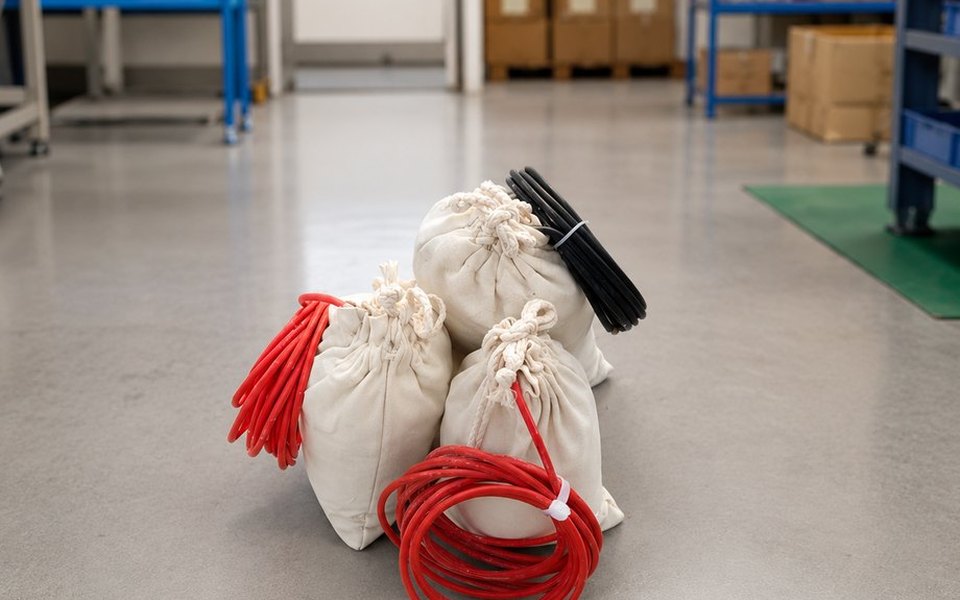
Prior to burial, remove the outer moisture-barrier plastic bag and immerse the pre-packaged cotton backfill assembly in clean fresh water for 12–24 hours (never salt water, as chloride contamination shifts half-cell potential). Install the electrode in screened native moist soil 150 mm to 300 mm from the coated pipe wall or tank underside to minimize IR drop while avoiding metallic contact.
2. Coordinating CSE Telemetry with XTDC Polarized Stray Current Drainage
In pipeline corridors parallel to DC metro transit or electrified rail traction substations, continuous CSE potential logging identifies anodic stray-current discharge spikes. Installing a JUDUN XTDC Unidirectional Polarized Drainage Bond at verified discharge points drains stray DC safely back to the traction negative return or grounding bed while blocking reverse current pickup, working alongside the ICCP potentiostat to maintain polarized potentials within -0.85 V to -1.20 V CSE.